Arizona Water and Fire
No reviews listed
Water damage restorationfire restoration
Emergency serviceFree estimatesServes nearby towns
Hours: Open 24 hours
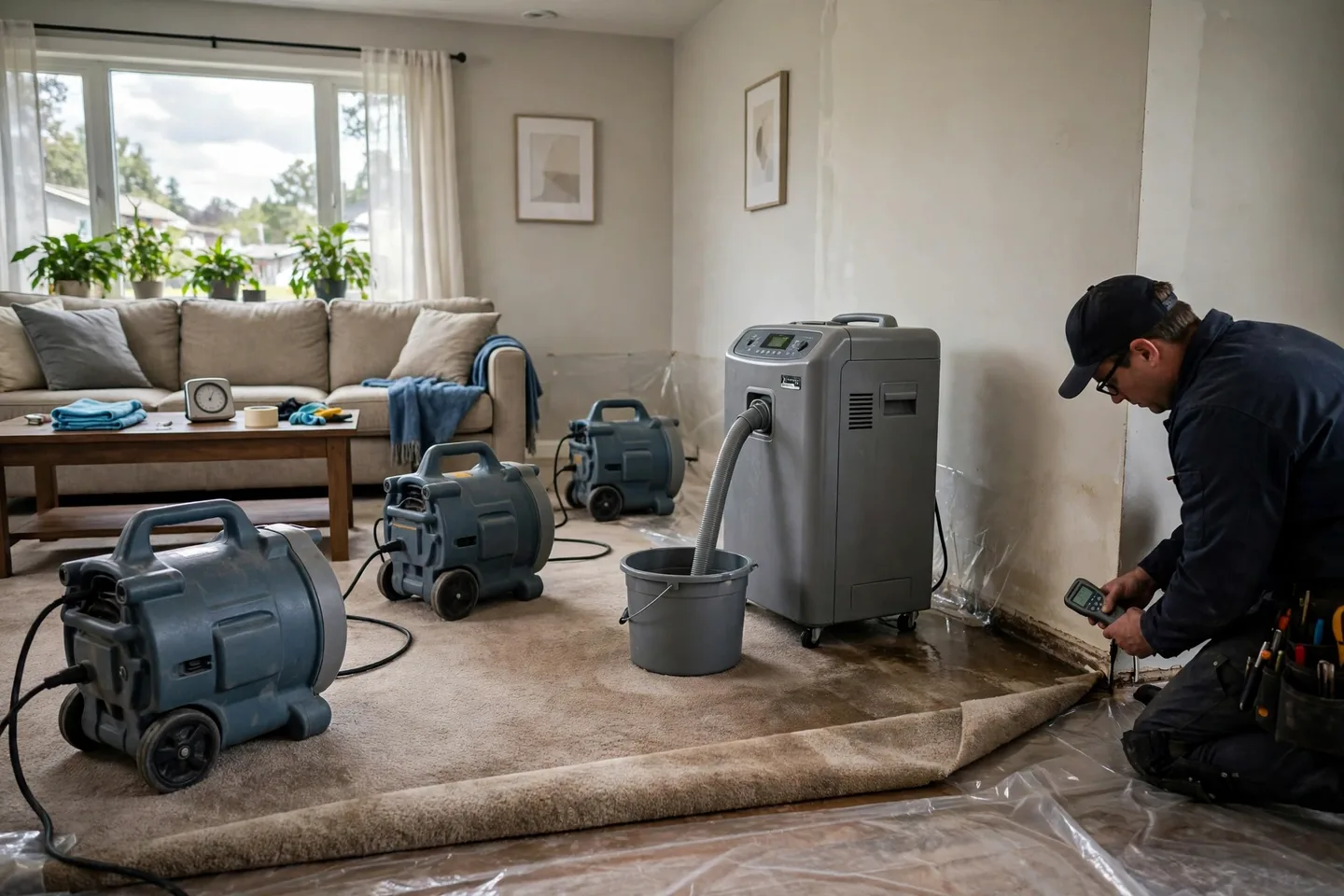
Water damage restoration
8 real businesses listed free.
Results
Alphabetical, free, and showing each business's true city.
Showing 8 of 8 results
Local guide
Queen Creek and San Tan Valley look dry, and most of the year they are. The water damage here comes in bursts: summer monsoon thunderstorms dump heavy rain in minutes, overwhelm flat desert drainage, and push water through roof joints, parapets, and door thresholds. The rest of the year, the culprits are indoors, air conditioner condensate lines, water heaters, and supply hoses, leaking quietly inside cooled, sealed homes.
Desert homes hide water damage well. Stucco and tile can look untouched while water sits behind them, and air conditioning keeps indoor air dry enough that a slow leak goes unnoticed until a wall softens or mold appears. The contractors below serve Queen Creek and San Tan Valley. Listings are free and alphabetical.
Local problems
Monsoon roof leaks: flat and low slope desert roofs rely on parapets and scuppers, and a clogged drain turns a monsoon downpour into ponding water that finds a seam.
Flash flooding: desert soil sheds water instead of absorbing it, so streets and yards flood fast during a monsoon cell.
Air conditioner condensate leaks: a clogged condensate line drips inside walls and ceilings for weeks, because the AC keeps running and the house stays cool.
Water heater failures: garage and closet water heaters fail without warning, and water spreads across tile and into drywall.
Stucco hidden damage: stucco can mask leaks for months, and by the time paint bubbles or a wall softens, framing and insulation may already be wet.
Mold inside cooled homes: air conditioning lowers indoor humidity, but wet cavities stay wet, and mold grows inside walls where nobody sees it.
Services
Questions
FAQ
No. Heat outside does not dry a wet wall cavity, and air conditioning does not reach inside walls. Mold grows wherever wet organic material sits, desert or not.
Through roof joints, parapet caps, and scupper drains on flat roofs, and under door thresholds when yard drainage overwhelms. Clogged roof drains are a common cause.
Yes, because it runs for weeks unnoticed. A slow drip can soak insulation and drywall and grow mold long before a stain appears.
Storm driven rain through the roof is often covered, while rising floodwater from outside usually needs separate flood insurance. Document the source of the water carefully.
It depends on how long it stayed wet and what is behind it. Drying equipment can save some assemblies, but saturated insulation and softened framing usually need removal.
Map
Map of Queen Creek and San Tan Valley. Firms on this page come from Queen Creek, San Tan Valley, Gilbert, and Mesa.
How to choose
Desert air dries surfaces fast and hides wet walls, so a good crew trusts meters, not touch. It traces the leak to its source, checks condensate and appliance lines, and explains what flooring can be saved before any tear out.
San Tan Dry Co. keeps a water damage restoration cost guide for the Queen Creek market.
Live city site
Our dedicated Queen Creek, AZ site covers Water damage restoration in depth.
Homeowners
Homeowner requests are answered personally for now. Instant matching to a claimed contractor arrives in Phase 2.
For contractors
Claim your listing free and lock the one exclusive slot for your city and trade. Listings stay free either way.